What you can make with Scenes AI 2.0
Five formats: mini drama, story, short, tutorial, documentary — from fifteen seconds to five minutes. Each is written to its own story shape rather than one template reworded, and all of them keep the same cast and the same locations from the first scene to the last, and into the next episode.
The five formats
Pick one and the script is written to that shape. You approve it before anything is generated. Every clip below was made with Scenes AI.
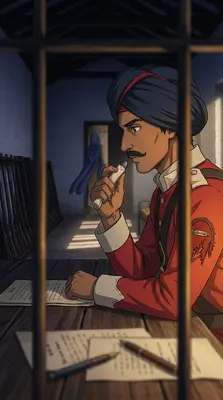 Mini dramaAny length; confrontation beats every 15–20 seconds
A serialized episode that makes people need the next one.
Vertical drama, built as a continuing story rather than a one-off. It differs from a standalone story in exactly two ways: the ending opens a question instead of closing one, and the cast and world persist across episodes. The cliffhanger is structural, not a flourish — one episode answers one dramatic question and opens another.
Story shape: Cold open → recap-in-action → escalation → reversal → escalation → episode climax → cliffhanger
- A vertical drama series with a recurring cast
- A two-hander confrontation across one apartment
- Episode two of something you already started
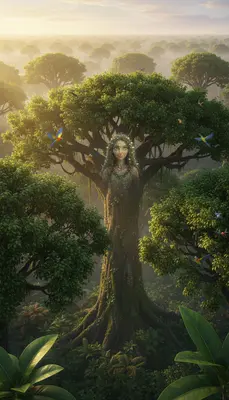 Story15 seconds to 5 minutes
A self-contained narrative short with an ending that means something.
A character with a want, an obstacle, a turn, and a resolution the climax actually paid off. This is the default when you just want a video about something with narrative intent. The midpoint changes what the protagonist wants or knows — it is not simply more rising action.
Story shape: Opening → rising → midpoint → climax → resolution (long form adds world building, complications and a coda)
- A short fable or folk tale
- A character study carried by score rather than dialogue
- An adaptation of something you wrote
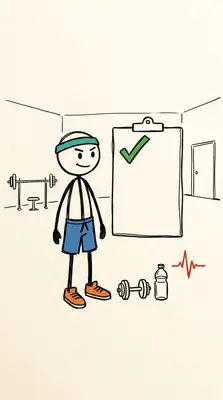 ShortUp to 60 seconds; mostly 2–4 second shots
A vertical short where the first second earns the rest.
Everything serves retention. Scene zero is the thumbnail, the pattern-interrupt and the promise at once — never an establishing shot, never a logo. The twist is what makes it shareable; a reel without one is a caption, not a video.
Story shape: Hook → setup → rising → twist → payoff → call to action
- A daily format with a recurring host
- A listicle or fact drop
- A one-joke sketch with a reversal
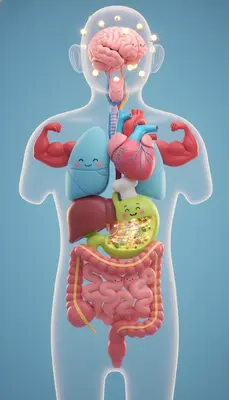 Tutorial15 seconds to 5 minutes; steady 4–6 second scenes
A how-to someone could actually retell afterwards.
Comprehension outranks spectacle. It opens on the end result so you know what you are working towards before investing a minute, then takes one concept per scene — if a scene explains two things, it becomes two scenes.
Story shape: End result → prerequisites → steps with checkpoints → final result → next steps
- A how-to for a product feature
- An onboarding walkthrough
- A course lesson in your learners’ language
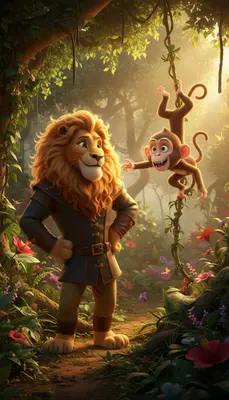 Documentary15 seconds to 5 minutes
A factual piece whose claims trace back to sources.
The same teaching skeleton as a tutorial, with claims instead of instructions. A research step gathers material into a brief first, and any statistic, date or measurement that cannot be traced back to it — or to something you supplied — is cut rather than invented.
Story shape: Question → context → evidence → synthesis
- An explainer on a historical event
- A profile of a place or an industry
- A researched piece you brief it on
Also possible
Combinations of settings rather than formats of their own — but they are what a lot of people actually come for.
- Music videoAn original song, written for the video, with the visuals cut to it.Lyrics you write or lyrics generated for you, vocal or instrumental, up to six minutes — then scenes built around the track.
- Faceless videoA whole channel with nobody on camera and nothing filmed.Every visual generated, narration from a synthetic voice, and a recurring cast viewers still recognise episode to episode.
- SlideshowGenerated stills with slow camera moves, and no clip spend at all.The cheapest watchable format: narration, music and captions over animated images, skipping the most expensive line item.
- SeriesEpisode two, with the cast and locations already in place.Any format can continue. A new episode inherits the characters, locations, uploaded photos and settings from the last one.
What you choose when you start
The whole setup, before anything runs.
- Length
- 15s30s60s2 min3 min5 min
- Shape of frame
- 16:9YouTube, landscape9:16Shorts, Reels, TikTok1:1Feed posts4:3Classic
- Look — 13 presets, or describe your own
- CinematicPhotorealAnimeWatercolor3DVintageMinimalComicCyberpunkFilm noirDreamyRetro-futureStop motion
- Language — 31 for narration and captions
- English (US)English (UK)HindiGujaratiBengaliTamilTeluguMarathiUrduSpanishFrenchGermanItalianPortuguese (BR)DutchRussianPolishUkrainianTurkishGreekSwedishJapaneseKoreanChineseVietnameseThaiIndonesianFilipinoArabicHebrewSwahili
- Sound
- A narrator reading over the visuals, characters speaking in the clip itself, or a mix — plus an original music track written for your scenes.
Not sure what it costs? The pricing calculator quotes your exact setup before you start, and you approve a preview before the expensive part runs. Curious how the consistency works? Character sheets explain it.
FAQ
Questions about what you can make
Can't find what you're looking for? Visit help and support or email hello@usescenes.com and a human will reply.
