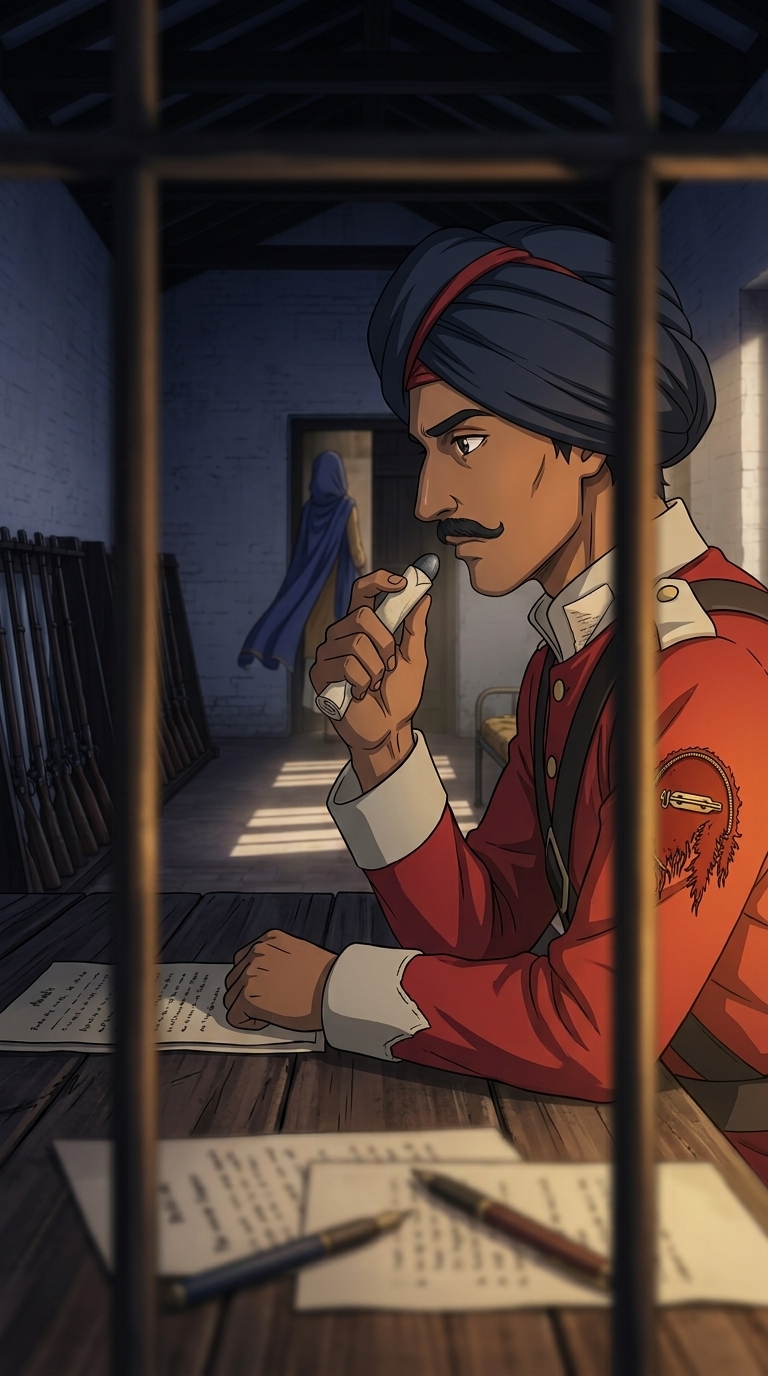
 Embers of 1857· EP 1
Short drama
AI short drama generator
Scenes AI makes serialized vertical drama — episodes built so the viewer needs the next one. Short drama, micro drama and mini drama are the same format under three names, and Scenes AI calls it Mini drama in the setup form. It differs from a one-off short in exactly two ways: the ending opens a question instead of closing one, and the cast and the world persist across episodes. The cliffhanger is structural, not a flourish, and the character sheets are series assets that carry forward untouched.
- Episode-ready vertical
- Same cast across episodes
- Characters speak on camera
- Cliffhanger pacing built in
Pay as you go · No subscription · Export up to 4K
Embers of 1857· EP 1 Create a 60-second cinematic TikTok…
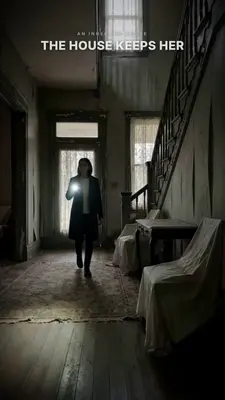 The House Keeps Her
Embers of 1857 · episode 1 of 2 — same cast, same world
How it is structured
 Cold openCarry-over tension, or in media res. The viewer is already inside a scene that is going wrong.
 Recap-in-actionOnly what this episode needs, dramatized rather than narrated.
 EscalationThe dramatic question tightens. Shorter shots than a standalone story would use.
- ReversalWhat the audience believed turns over. This is what earns the second escalation.
- EscalationHigher stakes, less room. A confrontation beat every 15 to 20 seconds.
 Episode climaxThe episode's own question is answered — and only that one.
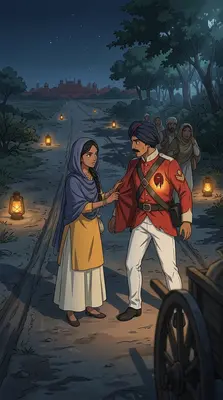 CliffhangerA concrete new question. The last scene never resolves what it raises.
What you end up with
- An episode that ends on a concrete new question — a reveal, an arrival, a decision withheld.
- The same faces and the same rooms as your last episode, because the references carry over rather than being regenerated.
- Characters who speak on camera, lip-synced, each holding one fixed voice across every episode.
- Subtitles on by default, because feed viewing is muted viewing.
- A finished MP4 at up to 4K, vertical or any other shape you pick.
Everything on this page was made here
The whole published library, not a reel cut for a landing page. Every title is the prompt somebody typed, and several open a full breakdown of how they were made.
 A Potato Family Tragedy
 The Bone RhythmEmbers of 1857· EP 1Create a 60-second cinematic TikTok…The House Keeps Her
 Psalmist Faces Doubt at Home
Embers of 1857 · 2 episodes
The shape an episode follows
Cold open on carry-over tension or in media res, then recap-in-action — only what this episode needs, dramatized rather than narrated. Then escalation, a reversal, a second escalation, the episode climax, and the cliffhanger. One episode answers one dramatic question and opens another. The last scene never resolves what it raises.
Paced like the genre, not like a short film
- Melodrama pacing — shorter shots than a standalone story, with a confrontation beat every 15 to 20 seconds. Tighten it further and you are writing what the market calls a micro drama.
- Dialogue-forward: two-character confrontations are the engine of the genre.
- Continuity chains through confrontation peaks, so a scene plays as one unbroken camera move.
- Hard cuts between locations, for momentum rather than decoration.
Why the cast is the product
In a serialized format, cross-episode identity is the thing being sold. Character sheets are treated as series assets: on a sequel episode the carried entries are final and are not regenerated, and a drifted face on a recurring character is always a re-roll rather than close enough. Two to four recurring characters and two or three reused environments — the apartment, the office, the stairwell — are what make it read as one show.
One episode, or a mini series
Short drama, micro drama and mini drama all name the episode. A mini series is what you have after the second one. Starting a sequel is not starting again: the cast and their reference sheets, the locations, any photos you uploaded and your production settings all carry into the next episode, and the references are reused rather than regenerated — so a returning character costs nothing to bring back. What there is not is an unattended season generator. Episodes are made one at a time, each through the same approval gates, which is what keeps a run from drifting away from itself by episode five.
If you want a one-off instead
Pick Story rather than Mini drama and the ending closes instead of opening: a character with a want, an obstacle, a turn, and a resolution the climax has earned. Same cast consistency, same engines, different structure. It is the right choice when you want a video about something rather than the first episode of something.
What it costs
Pay as you go: one credit is one US dollar, with no subscription and no expiry. A video costs the clips, one generated still per scene, the narration and one music track — and you approve a scrubbable preview before any clips are bought, so you never pay for a cut you have not seen.
Related
- UGC video generatorThe opposite register — unpolished, and made to look filmed on a phone.
- Character consistencyHow four-view reference sheets keep one face across every scene.
- Multi-episode seriesCarry your cast and locations into the next episode automatically.
- Pricing and calculatorPrice a whole video before you make it. Pay as you go, no subscription.
FAQ
Short drama questions
Can't find what you're looking for? Visit help and support or email hello@usescenes.com and a human will reply.
Yes — they are three names for one format: serialized vertical episodes, usually one to five minutes, built around a cliffhanger and a cast that recurs. "Micro drama" tends to imply the fastest end of it, with a confrontation every fifteen seconds or so, and "short drama" is the broader label. Scenes AI calls the format Mini drama in the setup form, and this page is the same thing whichever term brought you here.
Your first video starts with one sentence.
Describe what you want. Scenes AI writes the script, generates visuals, adds voiceover, and renders the final cut. You approve at every step, and nothing expensive runs until you have.
Pay as you go · No subscription · Export up to 4K
